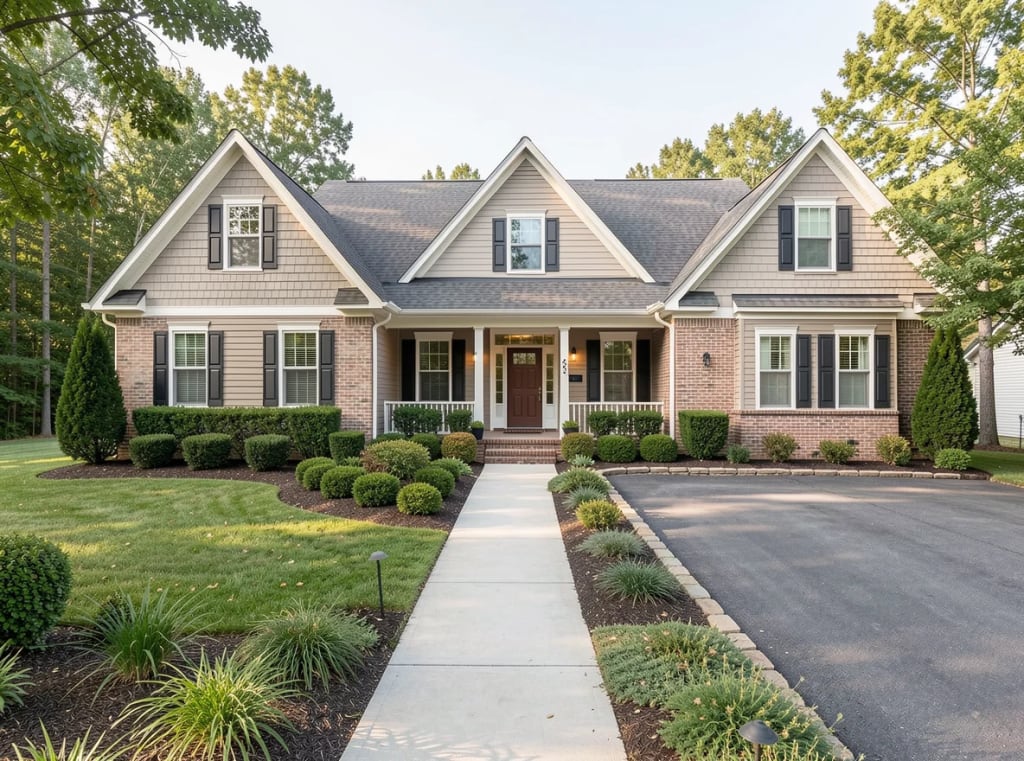
If you're planning to sell in Gallatin in the next 30–90 days, the best way to protect your price isn't a last-minute scramble—it's a calm, transaction-focused checklist that reduces surprises once you're under contract. This 30-day pre-list plan is built around the moments that most often trigger renegotiations: deferred maintenance, inspection findings, appraisal questions, and buyer hesitation when a home doesn't feel move-in ready.
In the sections ahead, you'll see how to prioritize repairs that matter (and skip the ones that don't), how to stage "clean and cared-for" without over-investing, and how to tighten curb appeal so your first showing feels confident. We'll also cover timing—what to do in week 4 vs. week 1—so you can coordinate contractors, cleaning, and photos without disrupting daily life. Keep reading for a practical, day-by-day approach that helps negotiations stay steady and your timeline stay on track.
Before you start the 30-day pre-list checklist, take a quick snapshot of current Gallatin conditions so your timing and prep match buyer expectations. In recent months across the Nashville-area market, many well-prepared homes have still moved quickly when priced correctly, while "almost ready" listings tend to sit longer and invite price reductions. A practical benchmark to watch is days on market: if comparable homes are going under contract in roughly 2–4 weeks, your goal is to hit the market in "show-ready" condition on day one—because the first 7–10 days often bring the strongest traffic and cleanest offers.
Also pay attention to list-to-sale patterns. When buyers feel they have options, they negotiate harder after inspections—especially if deferred maintenance is visible. That's why this checklist prioritizes pre-inspection repairs, deep cleaning, and curb appeal early: it reduces the odds of credits and re-trades later. If you're seeing more price adjustments in your immediate Gallatin pocket, treat that as a signal to tighten your scope, finish the high-impact items first, and launch with clear documentation (receipts, service records, and a simple upgrade list) to support your asking price.
In Gallatin, inventory levels (how many comparable homes are actively for sale) quietly shape how much leverage you have before you ever hit the market. When inventory is tight, buyers have fewer choices—so a well-prepped home can earn stronger terms and cleaner negotiations. When inventory rises, buyers can be pickier, and small issues (peeling trim, dated fixtures, minor roof concerns) become easy reasons to ask for credits after inspection.
As you work through a 30-day pre-list checklist, use inventory as your "risk meter." If similar homes are stacking up in your price band, prioritize the items that reduce buyer hesitation: curb appeal, fresh paint in high-visibility areas, HVAC servicing, and a pre-list repair plan for anything likely to show up on an inspection. If inventory is low, you still want to prep—but the goal is to remove deal-breakers so you don't give back your advantage once offers arrive.
In Gallatin, the fastest way to lose leverage after you go live is to let preventable inspection items show up late. Use week three of your 30-day pre-list checklist to "appraisal-proof" the home and keep negotiations calm. Start with safety and systems: replace missing smoke/CO detectors, service HVAC, and fix active leaks under sinks or around toilets. Address common Middle Tennessee red flags—wood rot on trim, loose handrails, aging water heaters, and any signs of moisture in crawl spaces. If you have a septic system, schedule a pump/inspection early so you're not scrambling during the buyer's due diligence window.
Next, gather documentation that supports your price: receipts for recent repairs, roof age, HVAC service records, and any transferable warranties. Walk the property like an appraiser—note upgrades that add measurable value (new windows, updated mechanicals, permitted additions) and be realistic about cosmetic projects that won't move the needle. If you're unsure what to tackle first, consider a pre-list inspection or contractor walk-through so you can fix issues on your timeline, not under pressure after the first offer.
If you're planning to list in Gallatin in the next 30–90 days, the fastest way to protect your price is to reduce "surprise" moments before a buyer ever schedules a showing. Start with a week-by-week checklist: in Week 1, handle the high-visibility fixes (sticky doors, loose hardware, burnt-out bulbs) and schedule any pros you'll need (HVAC tune-up, roof inspection if you've had leaks, and a pest check if you've seen activity). In Week 2, deep clean like a buyer will inspect—baseboards, windows, grout, and odors—then declutter closets so storage feels generous. Week 3 is curb appeal: fresh mulch, trimmed shrubs, pressure-washed concrete, and a clean entry that photographs well for subdivision streets and rolling-lot homes around Station Camp Creek and Old Hickory Lake access areas. Week 4 is pricing and presentation: review recent Gallatin comps, decide what you'll leave (appliances, fixtures), and prep a simple "home highlights" sheet for showings.
Kassie George's relationship-first approach keeps this process calm and organized—she helps you prioritize what matters, coordinate timelines, and position your home to stand out without over-improving.

Sign in with your email address
You’re being redirected to the page with listing data.